When delay is divine timing

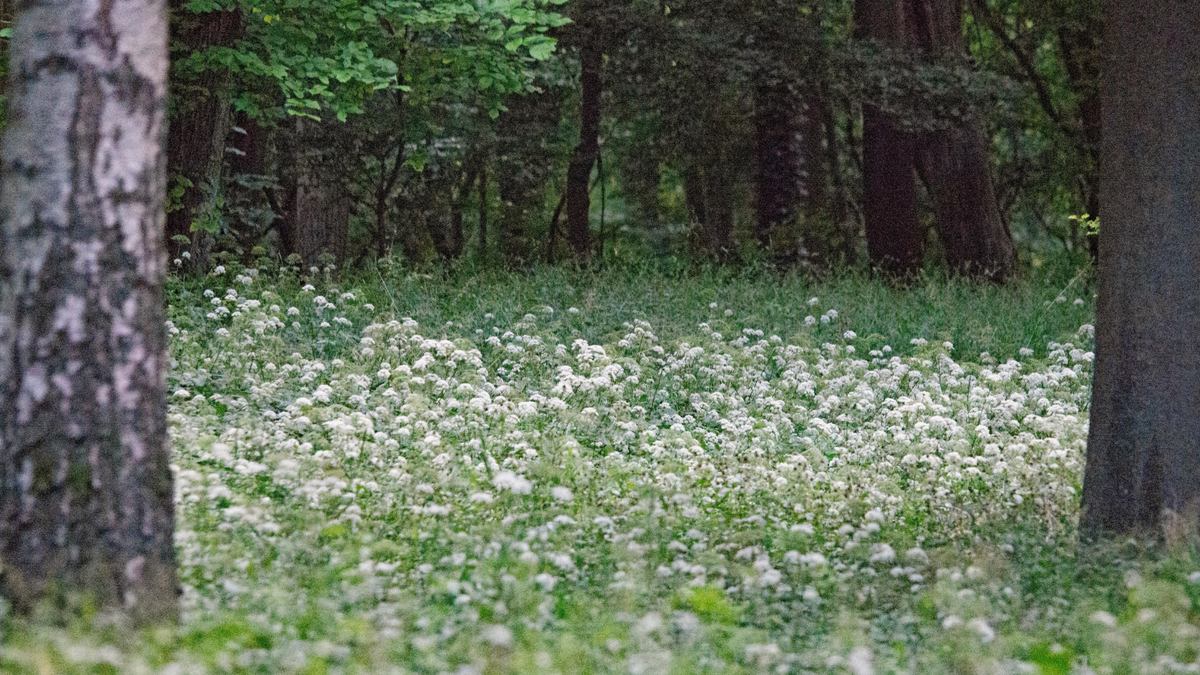
There is a threshold between imagining something and doing it—between a calling and the first step onto a new path. The transition between the two is rarely graceful.
As you read this, you are witnessing a threshold moment. Not a particularly dramatic one by all accounts. All it required of me was to sit down, write this, and publish. All that is required of you is to receive what’s here. And yet it’s taken me far longer than I care to admit to take this first step onto a new path. Long enough for the delay itself to become a source of frustration, embarrassment, even shame.
I believe it’s important to name these moments when we can. By naming them, we can break spells and take our lives in different directions. Every threshold moment is a chance to begin again. So here we are—my first post, one I doubted I’d ever be ready to write.
There’s a common idea that when you’re aligned with your purpose, things will flow. That you’ll feel the call, a path will appear, and you’ll simply follow it. I haven’t found that to be true. If anything, I think the opposite might be true. I have reason to believe that the doubts and resistance you meet on the way are an indication that you’re closer than you think, and that the detours you take have more purpose than you can imagine.
And in honour of non-linear journeys, and breaking spells, let me take you on the greatest detour of my last year—to a time not so long ago, to a neglected, overgrown corner of a park at the edge of the city I call home.
The scene: a once-loved garden that had fallen into steady decline. Echoes of Victorian elegance, overgrown and quietly forgotten. In many ways, it was a mirror to my own life. I used to imagine what it could be if it were nurtured and loved. There might be herbs, bright scented flowers, birdsong, wild medicine. It might be a place where people and wildlife gather to re-charge. But for a long time, this huge project stayed in that realm of imagination—something I might return to one day when I had more time and energy, when I felt more capable.
I wasn’t in a great place personally, and I felt like I should be focusing on building a sustainable way to support myself. I knew that if I wanted to bring Burn & Dye into the world, it would require time and commitment I didn’t feel I had—not just because of my current circumstances, but the accumulation of a lifetime. I didn’t have energy to spare. I didn’t feel resourced enough to attend to my own needs, let alone take on a huge project that wouldn’t support me financially. If I’m honest, I was completely overwhelmed. I felt broken, and I had no idea how to show up to the world.
But somewhere deep in my bones, I felt called to show up for the neglected garden.
It was a good instinct, as it turned out. That once-forgotten space is now a thriving community wellbeing garden, cared for and loved by people, plants, and wildlife. It is one of the greatest joys of my life—and not just mine. I didn’t imagine that my first post here would be about a community garden, but last weekend I found myself at an event in this beautiful space, surrounded by friends and a community that didn’t exist for me a year or so ago, and something shifted. I felt ready to show up here. I knew then that it couldn’t be about anything else.
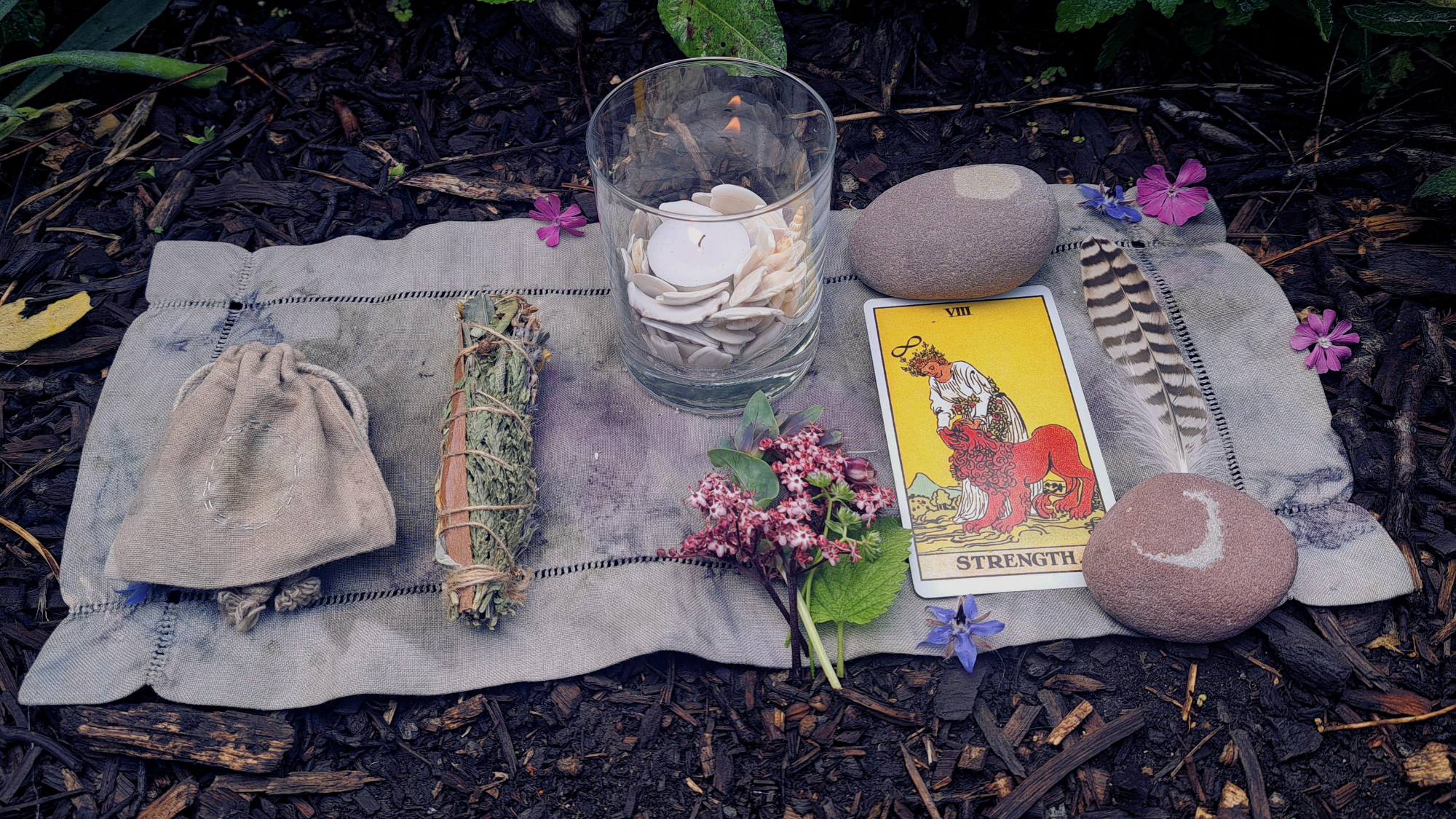
For some context, I was there in the garden wearing two hats: one as the project lead for the garden—hosting a plant swap and sale for the benefit of the project—and another for Burn & Dye, cautiously sharing aromatic smoke rituals and botanically dyed pieces with the community. I wanted to share some of the deeper practices I have been developing, many of them connected with plants grown in and around that space. In that moment, the separation I had been holding between the two quietly dissolved.
Burn & Dye—which had lived for so long as a concept, something I was steadily shaping but wasn’t quite ready to step into—suddenly looked different. It was grounded in something real. Not because I had finally found the time, or the clarity, or the perfect plan to move forward with it, but because I had been showing up.
Not for the business, but for the garden.
It was not that I found the energy first and then offered it to the garden; it was the other way around. Showing up there gave me the resources to show up for my own life—and ultimately here.
The relationships with the plants, the time spent tending the land, the community that gathered around it, the act of showing up even when I didn’t feel ready—this is the substance Burn & Dye is made of. It wasn’t something I needed to go off and build separately. It has been emerging, slowly, through practice, through place, through participation. The garden wasn’t a distraction from the work. It was the work.
If we care for the people, the land, and the places we belong to, they care for us in return. That is reciprocity.
But also this: when you are between intention and action, between who you have been and who you are becoming, the path might not look like the one you expected. It doesn’t necessarily make things easier to know this. But it does offer a different perspective. It shows us that even when we can’t see the way forward, how we show up in the world matters. And all it really takes is one step.
When you are lost, look around for the thing asking for your attention now. Take a step in that direction, and trust that the right thing will meet you there.
I’ve come to understand that not all distractions, delays, or detours are a waste of time. They can actually be sacred. If we can recognise them as necessary realignments and catalysts for regeneration, then we don’t have to carry the shame that comes from taking things slowly.